
 Date: 05 Sep, 2025
 Posted by Impurityx
Introduction
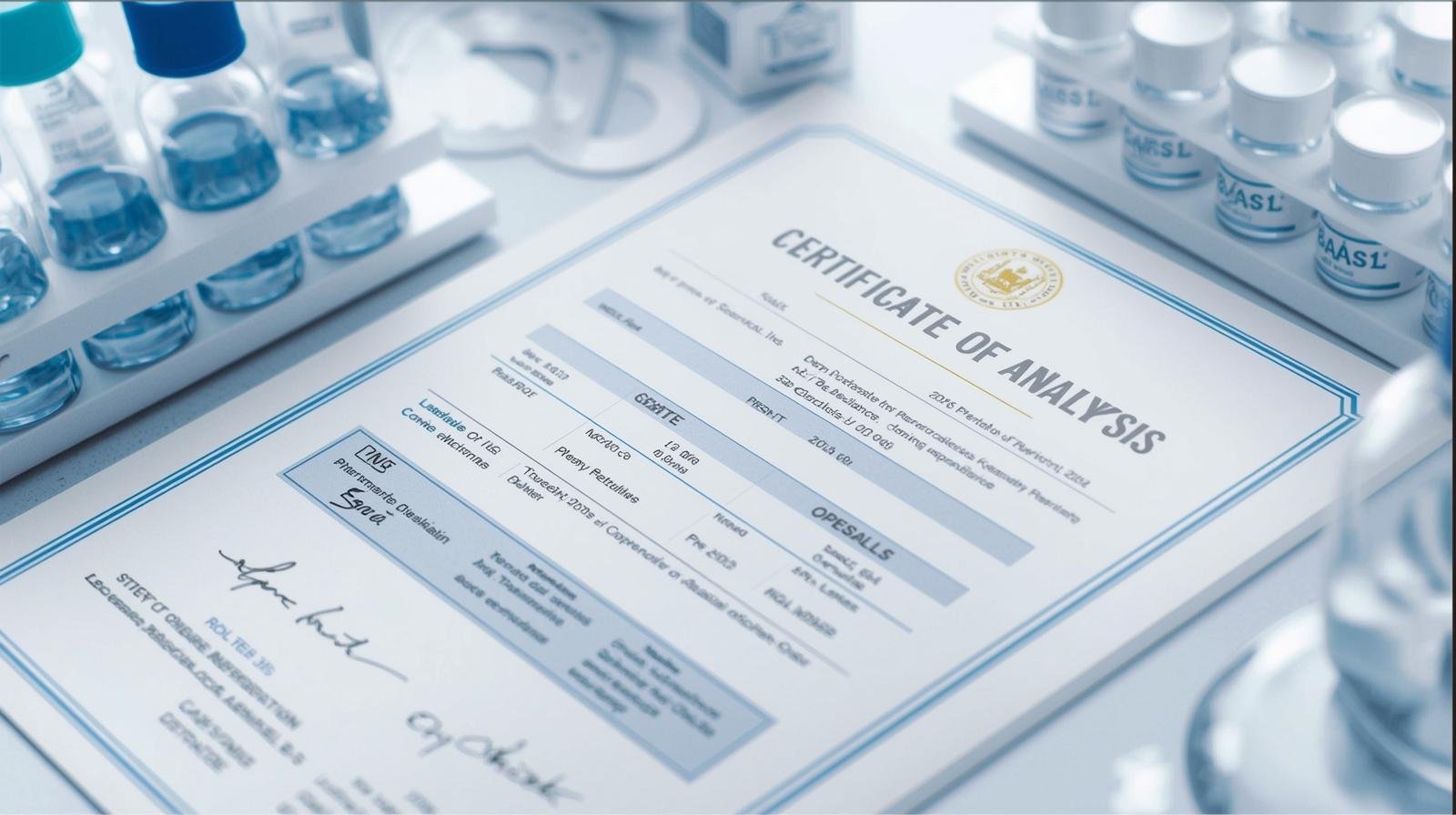
A Certificate of Analysis (COA) is supposed to be the buyer’s safety net. Yet, not all COAs are created equal. Many buyers glance at the document, check purity, and move on. But hidden in plain sight are red flags that can make or break regulatory approval.
Common Red Flags Buyers Overlook
-
Purity >99% without details – Sounds great, but was it HPLC, GC, or LC-MS? Methodology matters.
-
No chromatogram attached – A purity value without supporting data is just a number.
-
Missing analytical method validation – Without this, reproducibility is questionable.
-
Vague storage conditions – “Store at RT” for a sensitive impurity is a recipe for degradation.
-
No lot-specific traceability – If batch numbers aren’t clear, you can’t replicate the results.
Why It Matters
Regulators don’t just want numbers — they want proof. A weak COA may not trigger issues immediately, but when dossiers are reviewed, missing details become roadblocks.
Pro Tips for Buyers
-
Ask suppliers to share raw chromatograms along with COAs.
-
Look for batch-to-batch consistency.
-
Confirm if the COA aligns with pharmacopeial methods.
-
Never assume that a fancy letterhead means reliability.
How Impurityx Solves This
Every seller on Impurityx undergoes verification. Buyers can compare COAs across suppliers, view detailed data, and even see buyer feedback before making a purchase. That’s transparency you can’t always get in traditional sourcing.
Closing Thought
The COA is not just paperwork — it’s your first line of defense against regulatory setbacks. Learn to read between the lines, and you’ll save months of trouble later.